

 by
by 


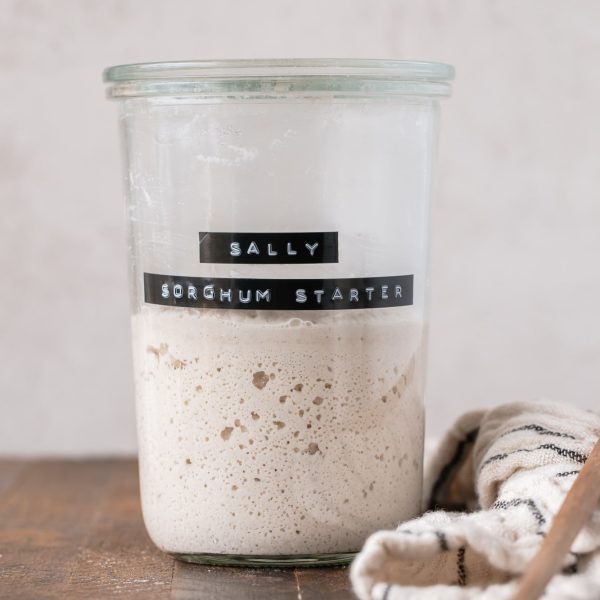
Have you always wanted to make your own gluten-free sourdough bread? First, you’ll need to learn How to Make a Gluten-Free Sourdough Starter! All it takes is gluten-free flour, water, and time.
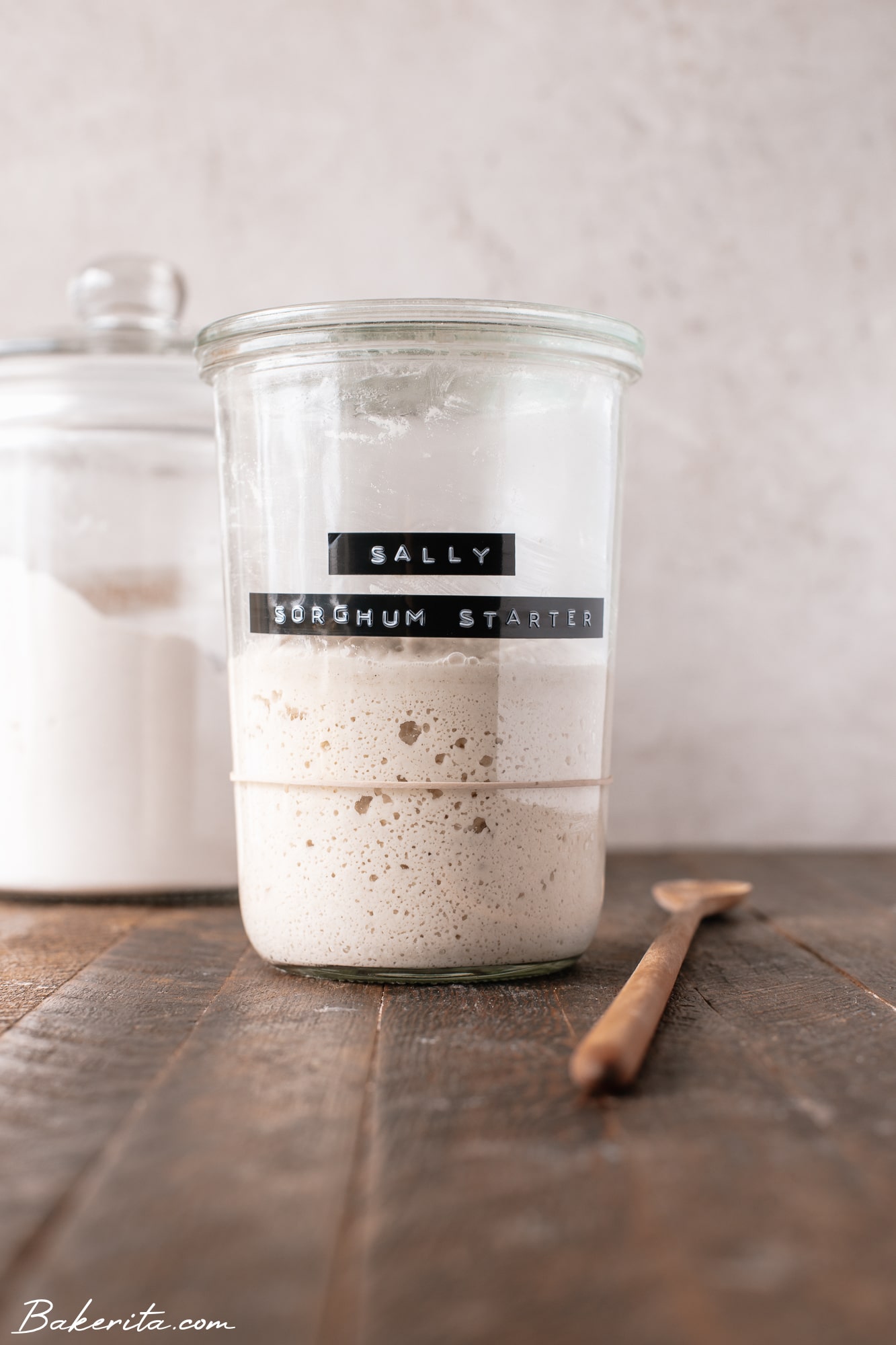
So you want to make gluten-free sourdough bread? And all sorts of gluten-free sourdough discard treats?? Well, before you start, you’ll need your very own gluten-free sourdough starter! Though creating a sourdough starter from scratch takes about one to two weeks with daily maintenance, it is super easy and only takes a few minutes each day.
What is sourdough? Is all sourdough gluten-free?
Sourdough bread is a type of bread that is made with a sourdough starter, which is a combination of flour, water, and naturally-harnessed wild yeasts. Creating the sourdough starter culture is done through a process of fermentation, and that sourdough starter is used as the leaver for our gluten-free sourdough bread! Not all sourdough is gluten-free though, so it’s important to make sure you use gluten-free flours to create a gluten-free sourdough bread.
Not all sourdough is necessarily super sour! You can make it have a more sour flavor with a longer ferment, but if you do a short ferment, you can also make it taste not very sour. It’s up to your personal preference! A major plus of eating sourdough is the health benefits. Because sourdough is a fermented food, many people find it helps their gut health by improving their gut flora and microbiome. It’s also easier to digest than other breads, which can have a lot of additives.
The Science of a Sourdough Starter
As I mentioned above, a sourdough starter is made up of flour and water – that’s all. So how exactly does that mixture turn into a living thing that will help your bread rise? Through a process of fermentation, and harnessing the wild yeast and beneficial microbes that are in the air and all around us.
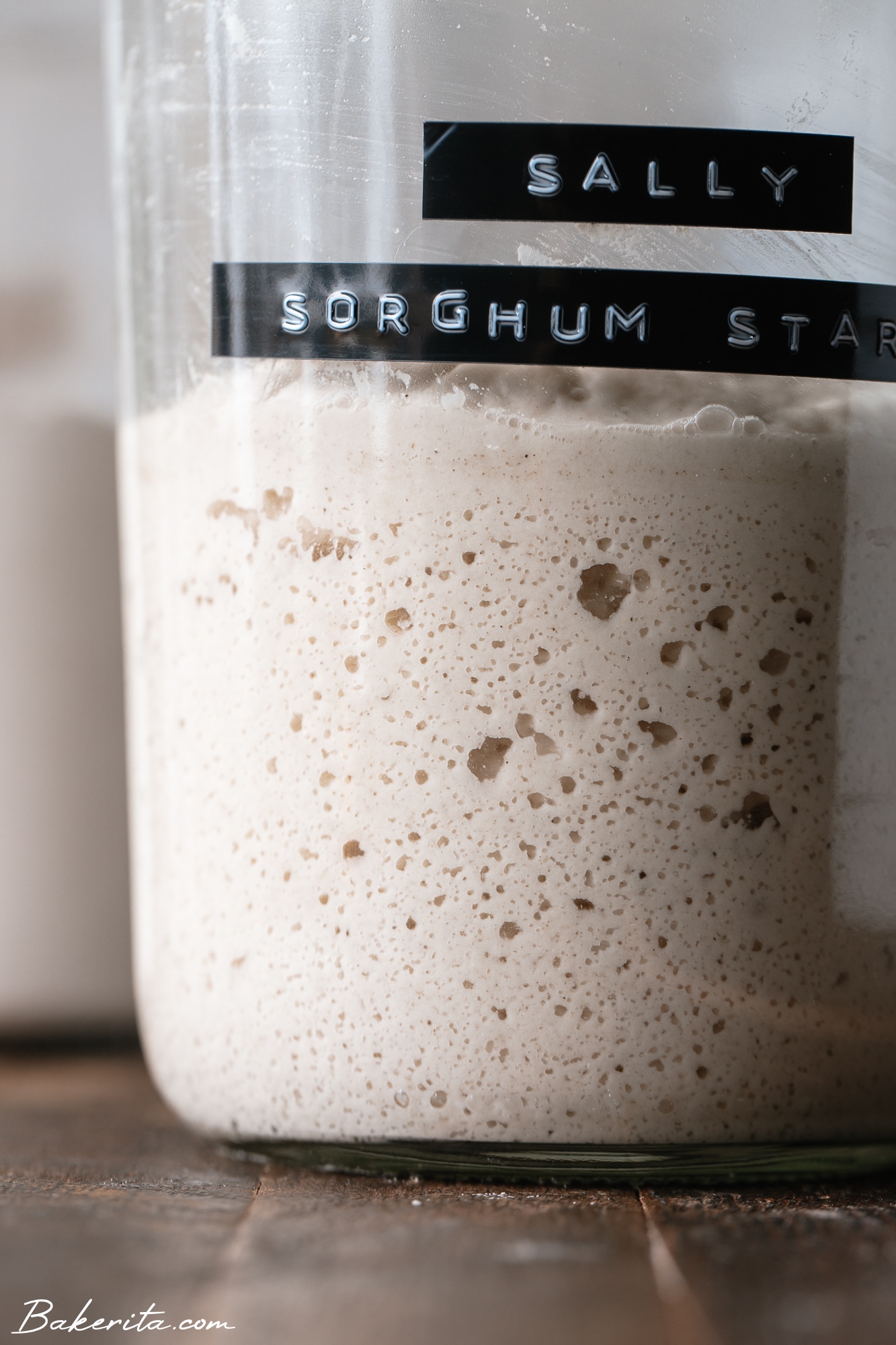
The yeast and microbes in your starter feed on flour, which then turns the starch and sugars in the flour into lactic acid and acetic acid, which is what gives the “sour” to your sourdough bread. It also improves the shelf life and the texture of the bread! The yeasts and microbes also create carbon dioxide. Those carbon dioxide bubbles are what helps your starter to bubble and grow, and gives your sourdough bread a light, fluffy crumb.1
This process works the same way for a traditional gluten-filled sourdough starter and a gluten-free sourdough starter, but they don’t look or feel quite the same.
Ingredients & Supplies for your Gluten-Free Sourdough Starter
This process is pretty simple, but it does require one to two weeks of feeding and nurturing to get to a point where you’re ready to bake! There are only two (well, three) ingredients needed for your gluten-free sourdough starter. Since they’re so few, each one is important.
- Flour: since this is our only true “ingredient”, it’s important! You’ll want to use whole grain gluten-free flour – something like brown rice flour, buckwheat flour, sorghum flour, or millet flour. Do NOT use a gluten-free flour blend, which can contain starches, gums, and other additives that you don’t want in your starter. You’ll want to have about 3 lbs. of flour on hand to get your starter going. For some reason, quinoa flour acted oddly for me and created a very runny starter. I wouldn’t recommend it based on my experience.
- Water: I recommend always using filtered water for feeding your starter, as water that is high in chlorine (which a lot of city tap water is) can impede the growth of the bacteria, and therefore impede your starter’s growth.
- Air/Time in a Warm Location: the ambient air in your house is what will feed your starter and give it the bacteria it needs to grow. As your starter ferments, it will collect “wild yeast” from the air. It’s best to keep your starter relatively warm to help it grow.
- Glass Container/Jar: mine is about a quart. I find that to be a pretty perfect size for a mature starter. Make sure it’s not too small, or your starter may expand past the top and make a mess. You’ll need a lid for your jar, or a clean tea towel, and a rubber band.
- Kitchen Scale: you’ll need a scale for all of your bread-making, including weighing out your starter feeds.
- Wooden Spoon or Whisk
Items you’ll need for Gluten-Free Sourdough Starter
How to Make A Gluten-Free Sourdough Starter
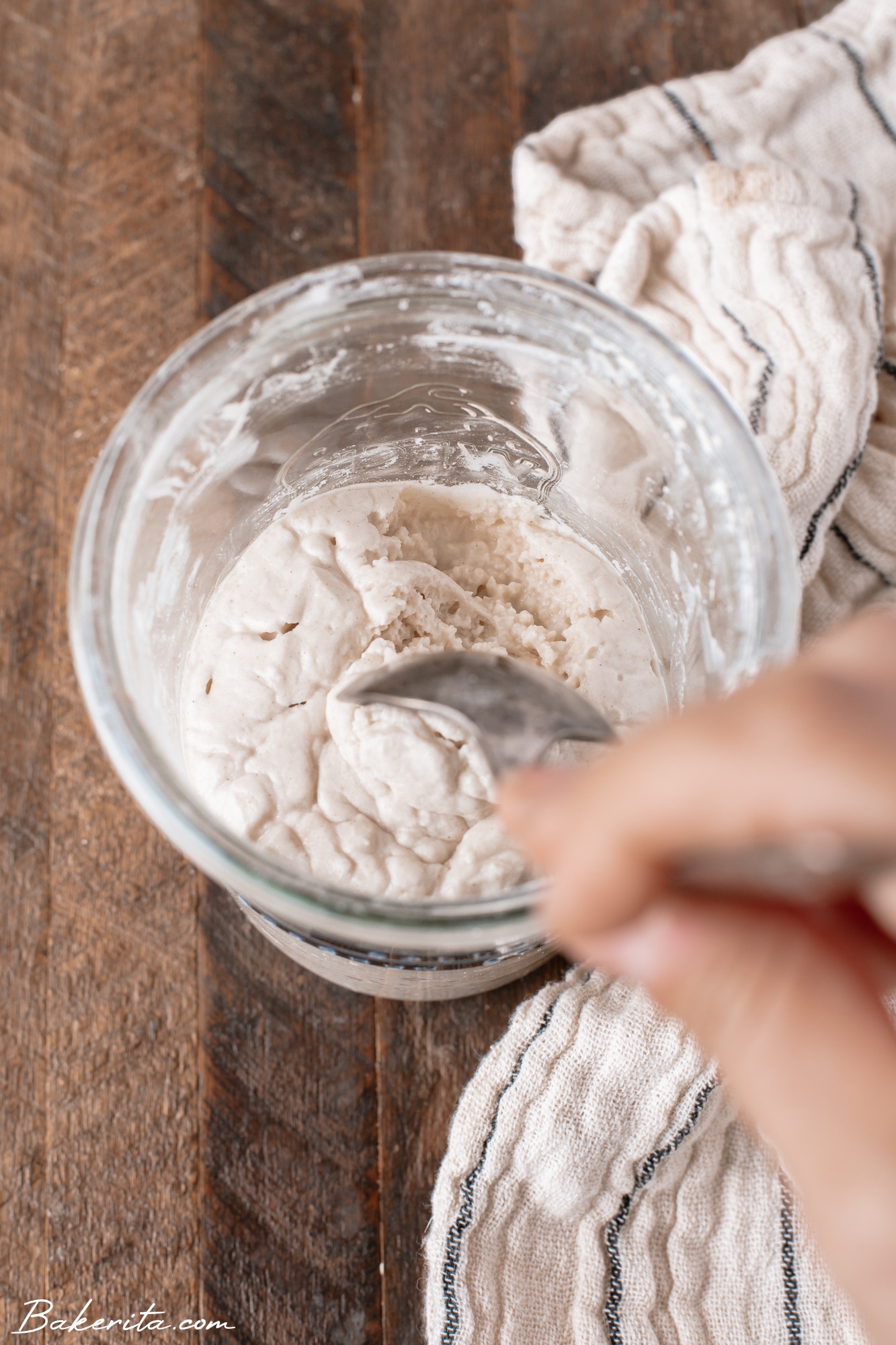
Full instructions are listed in the recipe card below, but here’s a run down to get extra familiar with the process.
Days One and Two: twice a day feedings
In the morning, combine 50g flour and 50g room temperature water in your clean jar. If you’re using an absorbent type of flour, you may need a little bit more water. You’re looking for a thick paste-like consistency. Scrape down the sides of the jar and close lightly, not fully sealed but covered. You can also cover it with a tea towel and a rubber band to hold it in place. Leave in a slightly warm place overnight. I keep mine on the counter, but don’t place next to a drafty window or anything! I also like to put a rubber band on the jar at the line where the starter is so I can track any rise.
Repeat at night before you go to bed (about 12 hours later), adding 50g more of each flour and water to the jar. Stir, and scrape down. We’re doing twice a day feedings in the beginning to help strengthen the starter quickly.
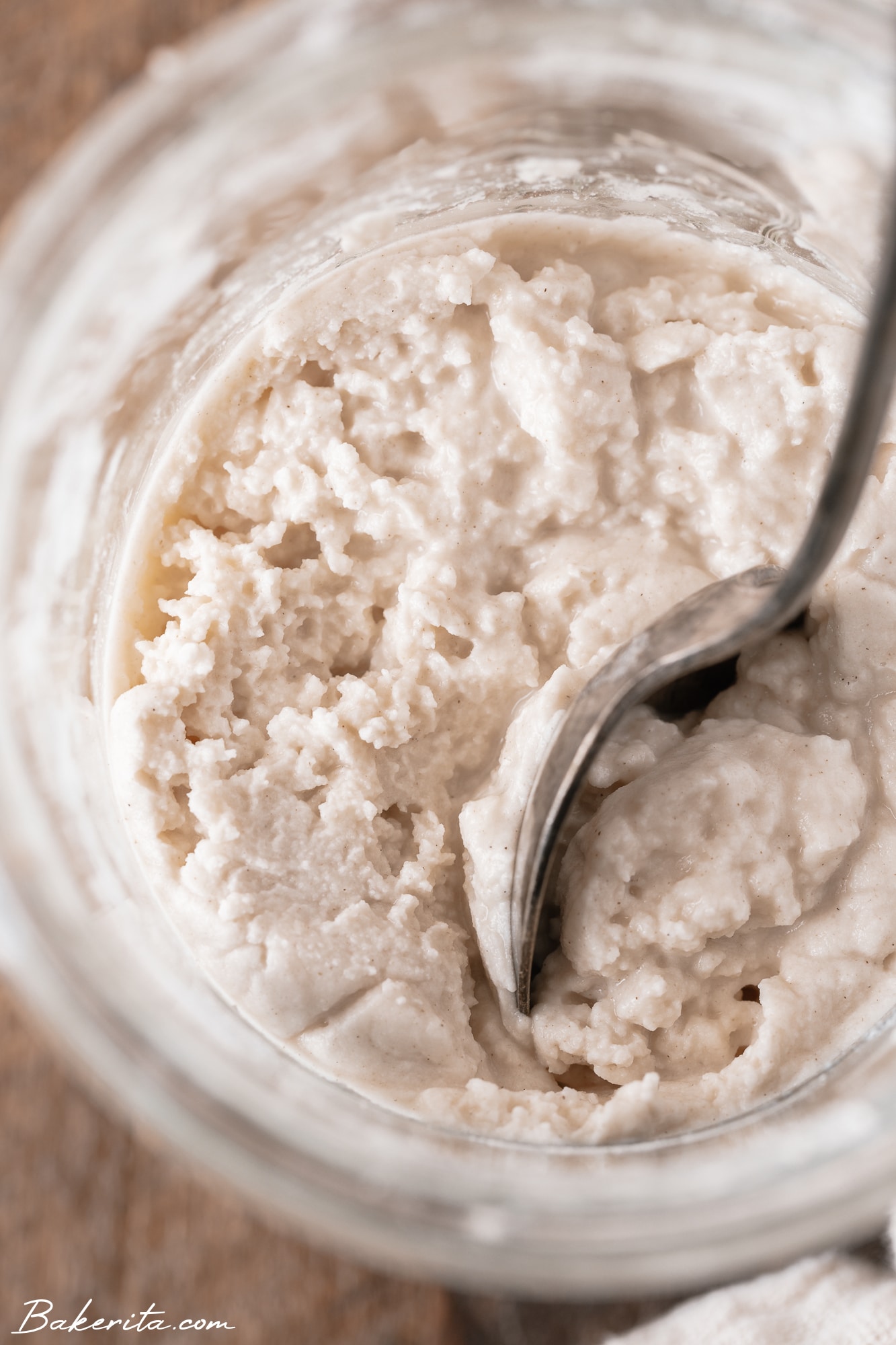
Repeat this process morning and night for two full days, or four total feedings. You should be noticing some bubbles by now, and maybe some odd smells!
Days Three through Seven:
Time to start discarding! The morning of day three you’ll want to remove all but 100g to 120g of the starter. Later on in the process, you can keep the starter to use for other recipes. But at this point, you’ve still got bad bacteria in the mix, so I recommend throwing it away or putting it into your compost.
For the next five days, you’ll want to discard all but 100g of starter every feed. Keep feeding 50g each of flour and water. We’ll up this to 100g for maintenance when we start baking with it. For now, we don’t want to create any extra waste! You may notice your starter gets less active when you start discarding it. Don’t worry – that’s normal, and your starter is just gaining strength.
Keep feeding twice a day until you start seeing good bubbles. Once you’re seeing good bubbling and a decent rise, you can switch to once-a-day feeds and increase your feedings to 100% hydration.
100% hydration feeding means a 1:1:1 ratio of starter:flour:water. This can vary slightly based on the absorbency of your flour, but it will be about equal. For my brown rice flour starter, it ends up being pretty even. With my sorghum starter, I find I only need about 80g of sorghum flour to 100g each of starter and water. We’re looking for a thick, pasty consistency, so add a little extra water if your starter gets too thick.
Week 2
Around this time is when I generally start having a nice bubbly starter with a pleasant, yeasty smell. However, everyone’s conditions are different, so don’t worry if you’re not there yet! Just continue on with feedings. If your starter is smelling good (a sour sweet aroma, like a good sourdough) at this point with good bubbles, you can start using the discard for sourdough discard recipes.
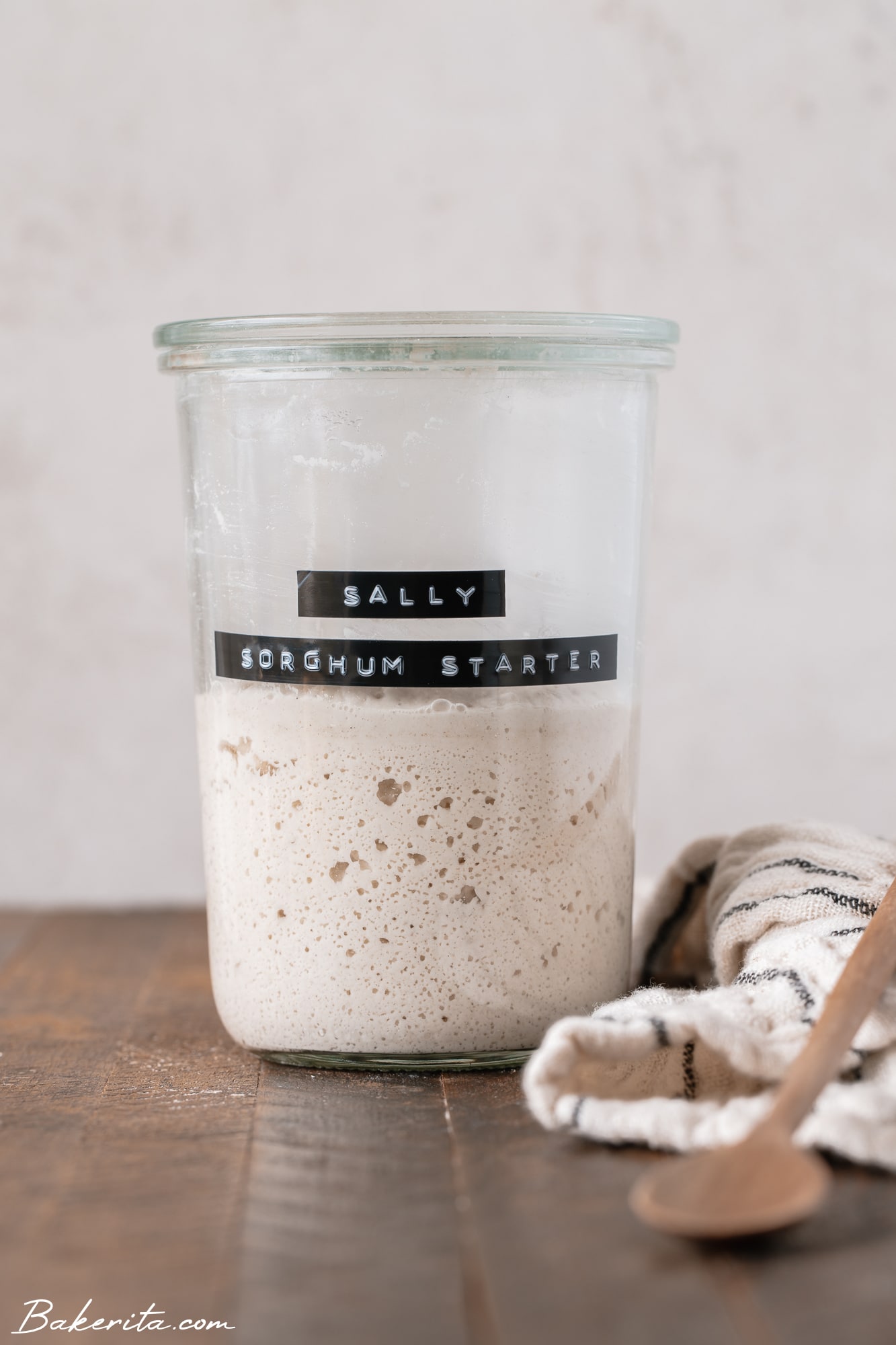
Once you switch to the 100% hydration feeding, you will start seeing good growth and should notice that your starter will double (or come close) sometime between three to five hours after feeding. When it’s at its highest, that’s what we call peak activity. Peak activity is when you’ll want to mix up your preferment for your sourdough bread.
Remember! As your starter matures, it will make better bread, so if your first loaf comes out a little flatter than you’d like, don’t fret – as the starter strengthens through feedings, you’ll get bigger bubbles and a better rise.
Gluten-Free Sourdough Starter Maintenance
Where to store your starter: I store mine on the counter and it does well. In cooler climates, some people prefer to keep it in a warm area, such as on a fireplace mantle, the microwave, or in an oven with the oven light on. If you choose to risk it with the oven, I recommend place a post-it note over the “on” button so you don’t preheat your oven with the starter in it! Once established, you can store your starter in the refrigerator.
Regular Feeding Instructions: if your starter is at room temperature, you will want to feed it every day so it doesn’t get too hungry. You will continue with the 100% hydration feedings. This means you will discard down to 100g of starter every day, then feed it with 100g room temperature filtered water and 80-100g gluten-free whole grain flour. Mix well and cover lightly.
Storing your starter in the refrigerator? you will only need to feed once a week, following the same instructions as above.
- If you are feeding for maintenance: you can feed and return straight to the refrigerator.
- Feeding to prepare for a bake: remove from the refrigerator, feed as normal, and bake at peak rise. Sometimes, two feedings are needed to help the starter come back from its dormancy in the fridge.
Frequently Asked Questions
My gluten-free sourdough starter isn’t bubbling yet.
Usually, a little more time, patience, and nurturing will help your starter along! Harnessing wild yeast for a sourdough starter is so conditional, and sometimes it just takes longer than other times. This depends on things like the climate, temperature, time of year, and many other factors, such as which strains of wild yeast are in the air around you!
If you want to help give it a boost, placing it in a warm place can help. Also, adding an apple slice or a few raisins can help give it a boost. I’ve personally never needed to use this, but you can do outside research if you’re having a difficult time getting it started.
If it’s been three to five days and NOTHING is happening, it may be time to start over!
My starter isn’t doubling.
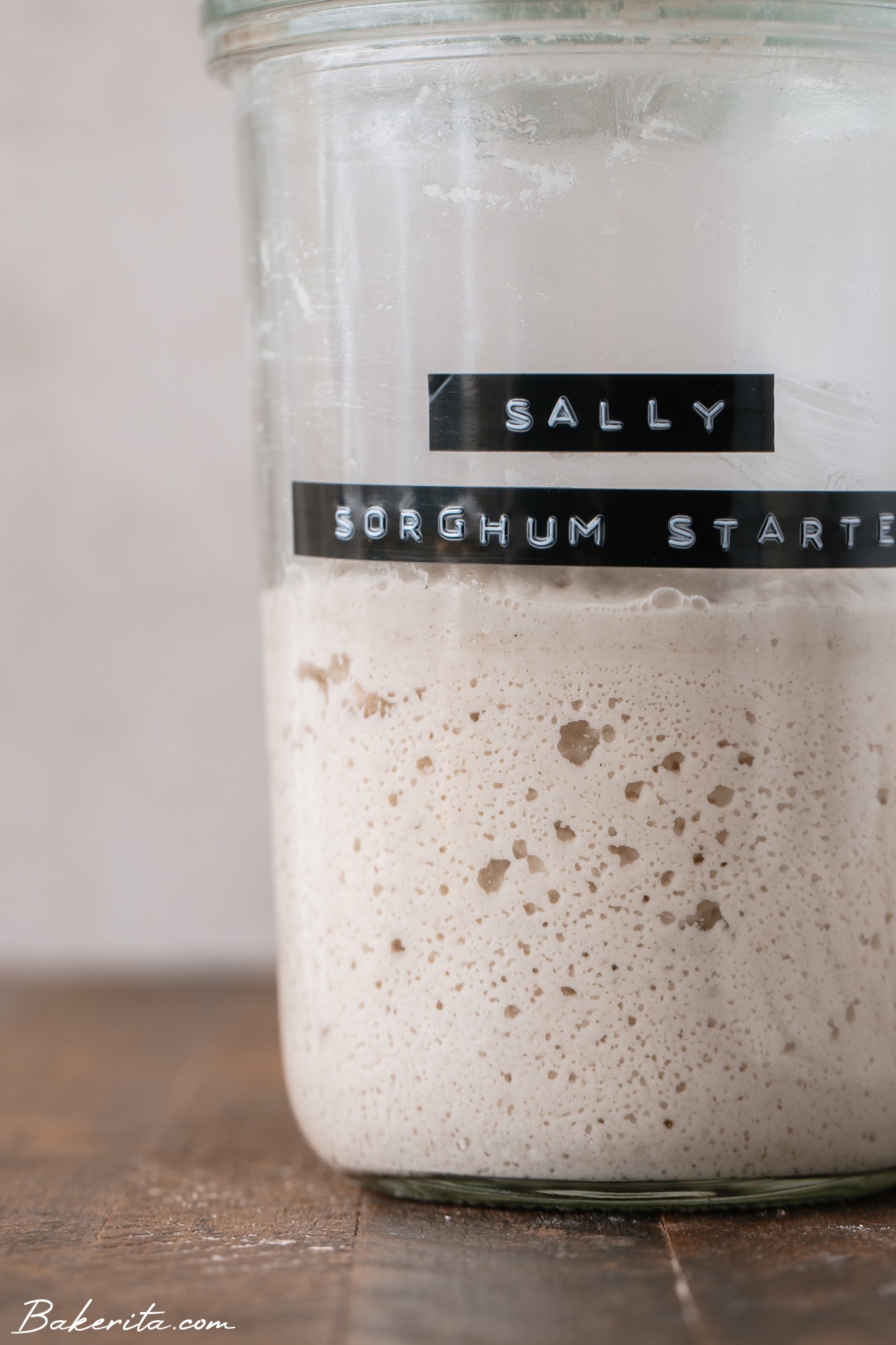
It’s best to wait to start baking bread until your starter is doubling, or close. But catching it right at the doubling point can be tricky! Even while I was trying to catch the precise doubling time in these photos, it started to fall.
You’ll want to keep a close eye on your starter in the beginning so you can notice how long it takes to reach peak rise in your conditions. As you get to know the timing better, you can check on your starter to catch it at peak rise to make your preferment. I find that it doubles faster on hot, humid days, and takes longer on cooler days.
There is mold/colored slime on my starter 😬
This isn’t a great sign and if your instincts tell you something is off, it’s time to start over. This shouldn’t happen if you’re keeping your starter happy and fed, but occasionally something can contaminate your starter to cause this and you don’t want to risk your health with anything that seems off.
What’s the alcoholic smelling liquid on top of my starter?
That’s called hooch, and it’s an alcoholic byproduct of the fermentation process. You can stir it in and continue, or you can drain it off. I find it makes the starter a bit more sour if you stir it in, so keep that in mind depending if you want a more or less sour starter.
Once established, do I need to feed my starter every day?
No, you don’t! You can keep it in the fridge and feed it about once a week if you prefer. But if you prefer to bake often, you should keep it at room temperature and feed it every day. If you forget and miss a day, it’s not the end of the world, and your starter isn’t ruined.
You can also dehydrate your starter if you don’t plan on using it for a long time but want to hold on to it. The dehydrated starter will rehydrate in water.
Can I use gluten-free all-purpose flour?
I don’t recommend it, as it often contains many starches and gums, neither of which are great for your starter. Whole-grain flours create the best starters because they contain natural strains of yeast.
Do I need to use the same flour to feed my starter forever?
Nope! You can switch flours if you need to. It’s best to be relatively consistent with your flour initially, but after your starter is established, you can switch your flours. Try not to switch every time, though.
Can I feed my starter with a combination of flours?
You can! Many people find success with a combination of flours, such as brown rice flour and buckwheat flour or sorghum flour and brown rice flour. If you’re having a hard time getting your starter going with just one flour, combining flours can help give it a kick-start.
What should I do with the discard? I don’t like throwing it away!
You certainly don’t have to, and I rarely throw mine away. Thankfully, I’ve got a few recipes using gluten-free sourdough discard. Here they are:
- Gluten-Free Sourdough Scones
- Gluten-Free Sourdough Chocolate Chip Cookies
- Easy Gluten-Free Sourdough Pizza Crust
- Gluten-Free Sourdough Cinnamon Sugar Crackers
How to Make a Gluten-Free Sourdough Starter
Ingredients
- Gluten-Free Whole Grain Flour, I recommend brown rice flour, sorghum flour, buckwheat flour, or millet flour, or a combination. I’d start with about 3 lbs – you’ll need more for maintenance but this will be a good starting amount!
- Room Temperature Filtered Water
Instructions
- How to Prep for Your Starter
- Clean your jar well with soap and hot water. It doesn’t need to be sanitized in a hot water bath like canning, but it needs to be clean to make sure there are no bacteria lurking around that will harm your starter and hinder its growth.
- Weigh your jar on your scale. Using a label or piece of tape, mark your jar with how much it weighs. This will help you to know exactly how much starter you have left in your jar when you’re feeding.
- Days One and Two: twice a day feedings
- In the morning, combine 50g flour and 50g room temperature water in your clean jar using a non-reactive spoon, like stainless steel or wood. If you're using an absorbent type of flour, you may need a little bit more water. You're looking for a thick paste-like consistency. Scrape down the sides of the jar and close lightly, not fully sealed but covered. You can also cover it with a tea towel and a rubber band to hold it in place.
- Leave in a slightly warm place all day. Repeat at night before you go to bed (about 12 hours later), adding 50g more of each flour and water to the jar. Stir, and scrape down. We’re doing twice a day feedings in the beginning to help strengthen the starter quickly.
- Repeat this process morning and night for two full days, or four total feedings. You should be noticing some bubbles by now, and maybe some odd smells! Persevere through any bad smells, they should go away in a few days.
Days Three through Seven:
- First Discard:If you see bubbles and have a sour smell, you're ready to discard. On day three, you'll want to remove all but 100g of the starter. Later in the process, you can keep the starter for other recipes. But at this point, you've still got harmful bacteria in the mix, so I recommend throwing it away or putting it into your compost.
- For the next five days, you'll want to discard all but 100g of starter every feed. Keep feeding 50g each of flour and water. We'll up this to 100g for maintenance when we start baking with it, but for now, we don't want to create any extra waste! You may notice your starter gets less active when you start discarding it. Don't worry—that's normal, and your starter is just gaining strength.
- Keep feeding twice a day until you start seeing good bubbles. You can switch to once-a-day feeds once you’re seeing good bubbling and rise.
Week 2
- Around this time, I generally start having a nice bubbly starter with a pleasant, yeasty smell. However, everyone's conditions are different, so don't worry if you're not there yet! Just continue with feedings. If your starter smells good at this point and has good bubbles, you can start using the discard for sourdough discard recipes.
- Once you start seeing good bubbles and having a pleasant smell, which is usually sometime during the second week, increase your feedings to 100% hydration with 100g of flour.
- 100% hydration feeding means a 1:1:1 ratio of starter:flour:water. This can vary slightly based on the absorbency of your flour, but it will be about equal. For my brown rice flour starter, it ends up being pretty even, but with my sorghum starter, I find I only need about 80g of sorghum flour to 100g each of starter and water. We’re looking for a thick, pasty consistency, so add a little extra water if your starter gets too thick.
- Once you switch to the 100% hydration feeding, you will start seeing good growth and should notice that your starter will double (or come close) sometime between three to five hours after feeding. When it's at its highest, that's what we call peak activity. Peak activity is when you'll want to mix up your preferment for your sourdough bread.
- Starter Maintenance
- Where to store your starter: I store mine on the counter and it does well. In cooler climates, some people prefer to keep it in a warm area, such as on a fireplace mantle, the microwave, or in an oven with the oven light on. If you choose to risk it with the oven, I recommend place a post-it note over the "on" button so you don't preheat your oven with the starter in it! Once established, you can store your starter in the refrigerator.
- Regular Feeding Instructions: if your starter is at room temperature, you will want to feed it every day so it doesn't get too "hungry" and create a lot of "hooch", the alcoholic liquid that can form on top of a hungry starter. You will continue with the 100% hydration feedings, meaning you will discard down to 100g of starter every day, and feed it with 100g room temperature filtered water and 80-100g gluten-free whole grain flour. Mix well and cover lightly.
- If you are storing your starter in the refrigerator: you will only need to feed once a week, following the same instructions as above.
- If you are feeding for maintenance: you can feed and return straight to the refrigerator.
- If you are feeding to prepare for a bake: remove from the refrigerator, feed as normal, and make your preferment when the starter is at peak rise. Sometimes, two feedings are needed to help the starter come back from its dormancy in the fridge and get to a good, bubbly rise.

My starter was active and bubbling (about 3 weeks old now) and was rising, altho only by about half. Now for some reason it has stopped rising much at all after feeding and has less bubbles.. plus it seems to immediately form the liquid on top no matter how much I stir it in. Would you have any ideas why this might be? I’ve been pretty consistent with the whole process so I can’t imagine what happened
Hi Maggie, did you change flour brands at all? I’ve noticed hooch forms more when you’re using a courser grain of flour, so sometimes switching brands makes that happen. You can also try feeding with two different kinds of flour, like rice and sorghum for instance, to introduce new strains of yeast, which it sounds like your starter may need to give it a boost! Adding a tiny bit of honey or maple syrup can help too (gives extra sugars for the yeast strains to feast on) and so can adding in a raisin or apple slice for a few days, for the same reason.
Thanks for such a quick reply! This whole time I’ve been using Bobs Red Mill Sorghum Flour, but just yesterday I switched to brown rice, hoping that would help. I’ll try a blend going forward and see if that helps! What’s odd is it seems to develop a liquid hooch pretty quickly, but after 24 hours that’s been absorbed and it does appear bubbly, just less so and not as risen (perhaps only an inch or so). I’ll see if switching up flours and perhaps adding one of your suggestions helps over the next few days. Cheers!
Hello! I began the starter a day and a half ago, and it is already looking and smelling fantastic! I am super excited. Thank you so much for the super detailed blog post, it has been super helpful.
I have two questions:
1. I am running low on millet flour (the flour I used), would it be possible to add a different type of flour, such as brown rice, or should I buy more millet flour from the store? Which would work best?
2. You mention in this post that you should not eat the sourdough discard for some time. When is it safe to use the discard in recipes?
Thank you so, so much for your time and effort! Have an awesome day :)
PS: On an unrelated note, I made your paleo brownies yesterday, and they are gone already! Super, super tasty, and I am not even paleo!
So glad it’s going well, Niamh! Another flour should be totally fine – I regularly feed my starters with other flours if I’m running low on the base flour. You can always switch back when you get more millet flour. I recommend not eating the discard until it smells very pleasant and yeasty – most likely nothing bad will happen before then, but I like to recommend erring on the side of caution since there are more bad bacteria early in the process. I hope this helps, and SO glad you’re loving the brownies. Hope you have some fabulous GF bread soon too!
Hello!! I am about seven days into my starter, and I have a few questions. So far it is looking fantastic and it is already smelling SO good! I have noticed “hooch” on top of the starter. I read that this is because the starter is hungry, probably because it is so hot here. Right now I am leaving 100g of starter feeding 100gish water and 100g flour once a day every morning. Do you know if/how I should change how much I feed it? Should I do it twice a day? If so, how much do I discard? Thank you so incredibly much for your help and the in-depth blog post! I also made some awesome GF pancakes today with the sourdough discard and they were the best gf pancakes ever!:))
Hi Elizabeth! The starter definitely gets hungrier during the summer. You can feed twice a day if you can, it will help it reach maturity faster as well. You’ll discard the same amount so you’re always feeding equal amounts of starter, water, flour. I hope this helps!
Perfect, this helps a ton!
So happy it helps!
Hi! I’m on day 8 and my starter seems to be doing well. I’ve been using brown rice flour and before every feed the top appears cracked and dryer and the bottom still quite wet, with a souring smell. I’m not too sure if this is how it should be as I had transferred it to a bigger jar on day four before weighing it and had accidentally been discarding too much, about 2/3 of the starter instead of 1/2. So on the night of day four, I fed it double the required amount to get back to the size it was. I was wondering if I should feed for a couple more days to catch up and make sure it’s right. Thanks!
Hi Maria, it sounds like things are going well! A slightly drier top and wetter bottom is totally normal, especially when the starter is hungrier and if you’re not using superfine flour (which is fine – I think that’s more important for bread than the starter). As long as you’re doing a feed of equal amounts, it should be fine! Happy bread baking :)
Hi Rachel! How do I know when my starter is ready to be used for bread?
Hi Julia, it will be ready to use when it’s rising well (doubling, or just about) and smells pleasantly yeast with no bad smells. It usually takes a little over a week or so, depending on how often you’re feeding!
Hi there,
Can you use oat flour as one of the flours to feed the starter? Say, like, partly oat and partly brown rice flour?
Also, do you always have to feed your starter the same amount as the starter itself? And do you always have to discard?
If I have it at room temperature, do I have to discard before I feed it? If my starter is 300 grams, could I feed it just 50 grams of flour and 50 grams of water and expect it to be enough to maintain it on the counter? Or does it have to be equal parts starter/flour/water for every feeding?
Thank you!
Hi Rachel, yes you can use oat flour to feed the starter. I always follow the 1:1:1 ratio, which is the same amount of starter, flour, and water. You don’t have to discard, but if you don’t want to waste too much flour feeding it, I’d recommend you do so you don’t have to feed it a huge amount.
I believe this last question is already answered. I recommend reading through this entire post as well – it answers a lot of the questions you have here!
Hi! I have a few questions! 1. Before you remove starter for a loaf of bread, how do you make sure you have enough starter left over for future use? 2. If you have only 50g of starter left over, do you then keep feeding it with 50g each of flour and water to keep it going? Do you have to increase the amounts or can you stay at that amount until you want to bake again? 3. How do you know how much to increase your feedings for ex: 2 loaves of bread? Sorry for the questions, but I want to make this work but have been feeling confused!! Thank you!
I had never done a starter before and was feeling intimidated by the whole thing, but I decided to give it a shot after reading through your recipe page on making a GF starter and my first GF sourdough bread turned out amazing! My whole family enjoyed it. This recipe page was very thorough and organized, which made it easy to follow! I also made the sourdough discard crackers today, and those were a hit for my family as well! Thank you for your help and taking the time to share all of these wonderful GF recipes!
I’m so thrilled you successfully made the starter, bread, and crackers, Laura – that makes me so happy to hear!!
Hello – I have been feeding my starter for well over two weeks and it still hasn’t doubled in size – ever. Some days I can see bubbles and other days nothing. I have been using organic brown rice flour and I was even feeding it twice a day. Any advice?
Thank you!
Hi Julia, it doesn’t need to fully double in size but you should definitely be seeing bubbles and growth. It goes through a slow down when you start discarding too and that is totally normal! It takes longer to mature during the winter. You can try giving it a boost with some sugar (an apple slice, a few raisins, or a touch of honey all work well) to help kickstart it a bit :)
Hi Rachel! I’ve had AMAZING success with your very throrough guide. After posting pics of my beautiful loaves (and reporting how amazing they taste) – I have several friends excited to try it themselves. How can I share my starter with them? Not sure if sharing GF starter is different than the process of how people share regular sourdough starter? Thanks again for all your work on the blogs – I’ve been sharing the links constantly and encouraging folks that it’s absolutely doable!
Hi Amy! This is so lovely to hear :) you can just give your friends 100g jars of starter and instruct them on how to feed and maintain it with equal amounts of flour and water.