

 by
by 


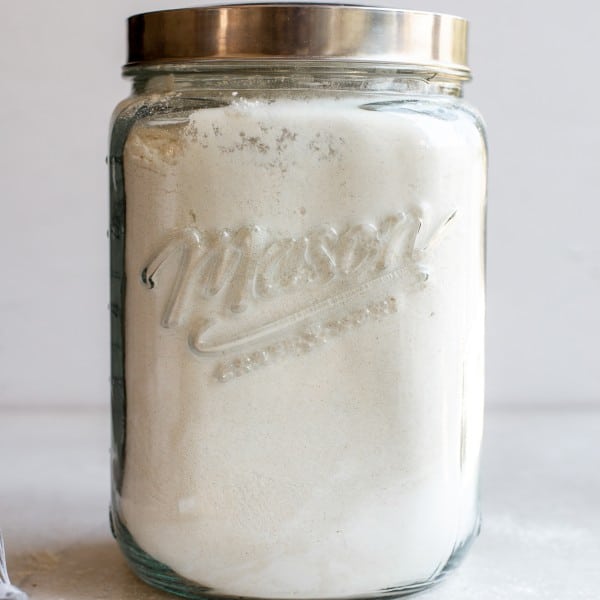
This is my well-tested Gluten-Free Bread Flour Blend for making your own homemade gluten-free bread, flatbread, focaccia, pizza crust, and more! It’s easy to make, scales to how much you need, and has no gums or additives.
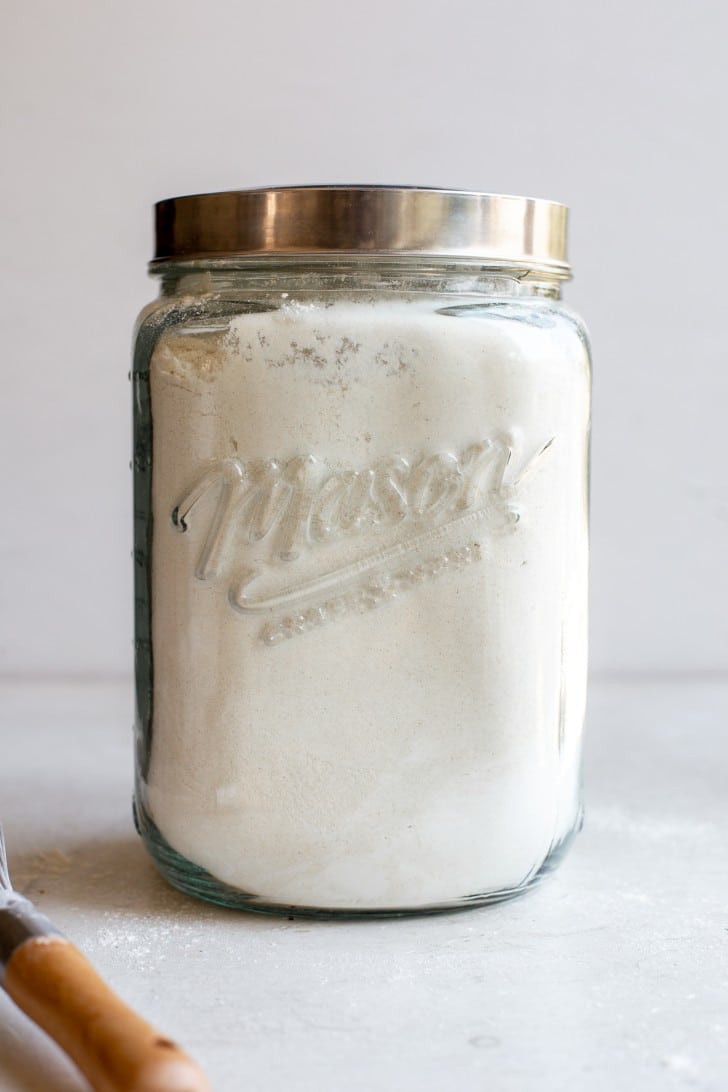
Since I started making my own gluten-free bread recipes, I have recommended to everyone following my recipes to create their own blends for each bread, instead of using pre-made gluten-free bread mixes.
The pre-made mixes which can all be so different and have different additives, like guar gum, xantham gum, added sugars and salts, and other things that can change the texture and flavor of the bread. It’s hard to troubleshoot what’s wrong with a recipe when the main ingredient in bread, the flour, can vary so widely based on which bread flour blend someone is using!
However, I also recognize that ease is so important when it comes to bread making, and measuring out one flour, as opposed to four, can create a lot more ease. SO — I decided it was time to create a gluten-free bread flour blend that works well for all of my gluten-free bread recipes. From the classic gluten-free sourdough (and all of my gluten-free sourdough recipes), to the gluten-free flatbread, to the amazingly fluffy gluten-free bagels, this blend works beautifully for all of them.
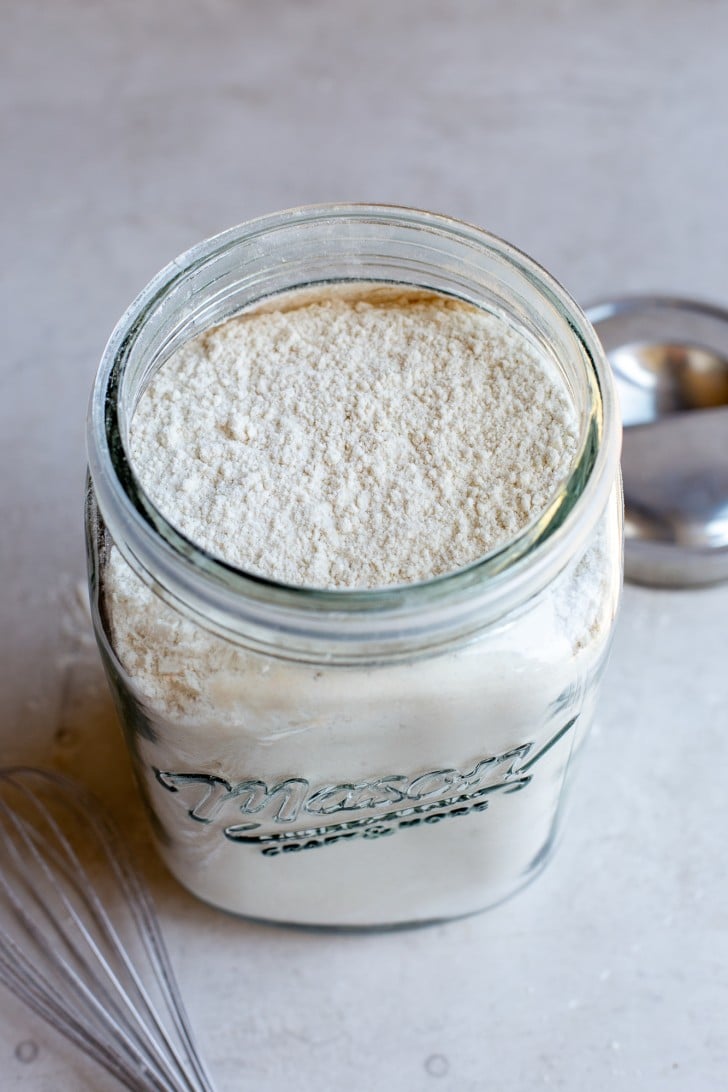
What’s in this gluten-free bread flour blend?
- Brown Rice Flour: white rice flour works well too. You all of one or a combination of both. Superfine will give the best results if you can find it, or order it online. See substitutions below to make this a rice-free blend.
- Sorghum Flour: I love a mild white sorghum flour here. It creates a beautiful fluffy texture.
- Tapioca Starch or Arrowroot Starch: these function in the same way for our purposes. Use whichever you have easier access to! The result will be the same.
- Potato Starch: potato starch is slightly drier than tapioca starch and arrowroot starch, and that can help prevent gumminess.
Can I substitute X flour?
- For the brown rice flour: if you’d like to make this a rice-free blend, feel free to substitute millet flour, teff flour, cassava flour, or buckwheat flour. Each of these act a bit differently and can change the flavor or color of the loaf. Millet is the most neutral and the best for a 1:1 substitution for the rice flour.
- For the sorghum flour: substitute with any of the substitution options listed above for rice flour. You can also use brown or white rice flour.
- For the potato starch: if you’re nightshade-free or avoid potatoes for any reason, you can use an equal amount of tapioca starch or arrowroot starch in it’s place.
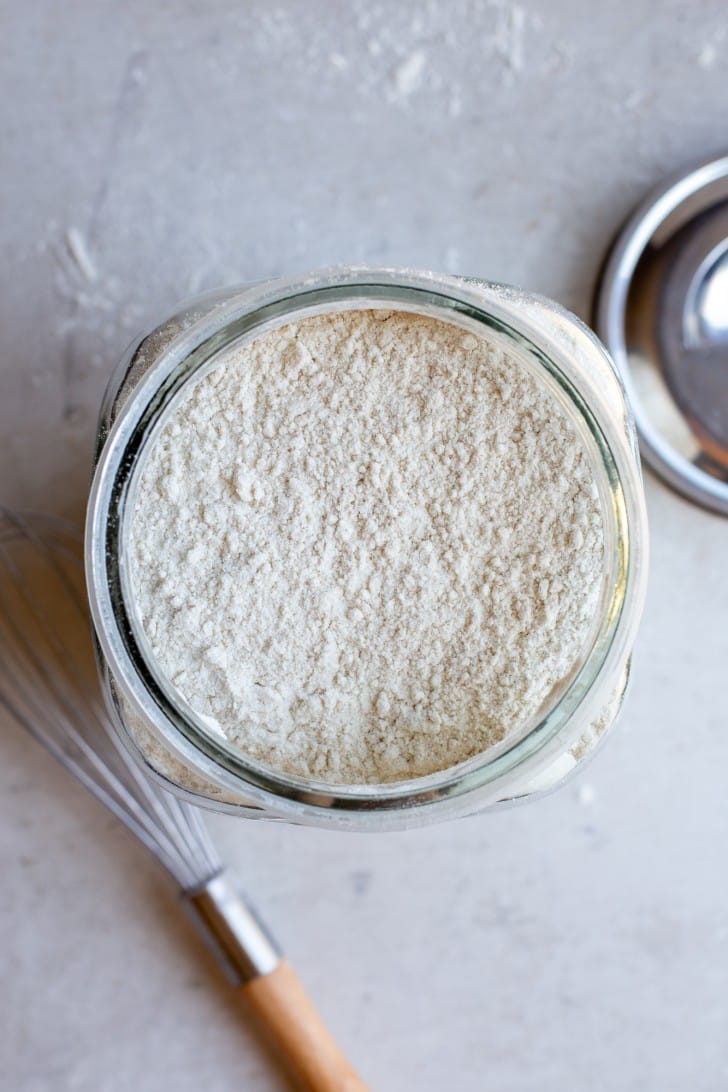
How much does this bread flour blend make?
This gluten-free bread flour blend recipe will yield just under 3.5 pounds of flour (1502 grams). The amount of bread this will make will vary on the recipe used. For my standard gluten-free bread loaf, it will make 3 loaves of bread. For the gluten-free sourdough bread, it will make about 5 loaves.
Should I use this blend for the sourdough preferment? No, I recommend using whole grain flour, like brown rice flour or sorghum flour, for the preferment, since the starches in this blend will be digested more quickly by the starter.
Does it have any gums or additives?
No! We are using gluten-free whole grain flour and starches. No xantham gum or guar gum here, which can be hard on many people’s stomachs and also affects the texture of your bread. My recipes have binders separated (generally psyllium husk) since the amount varies between each recipe.
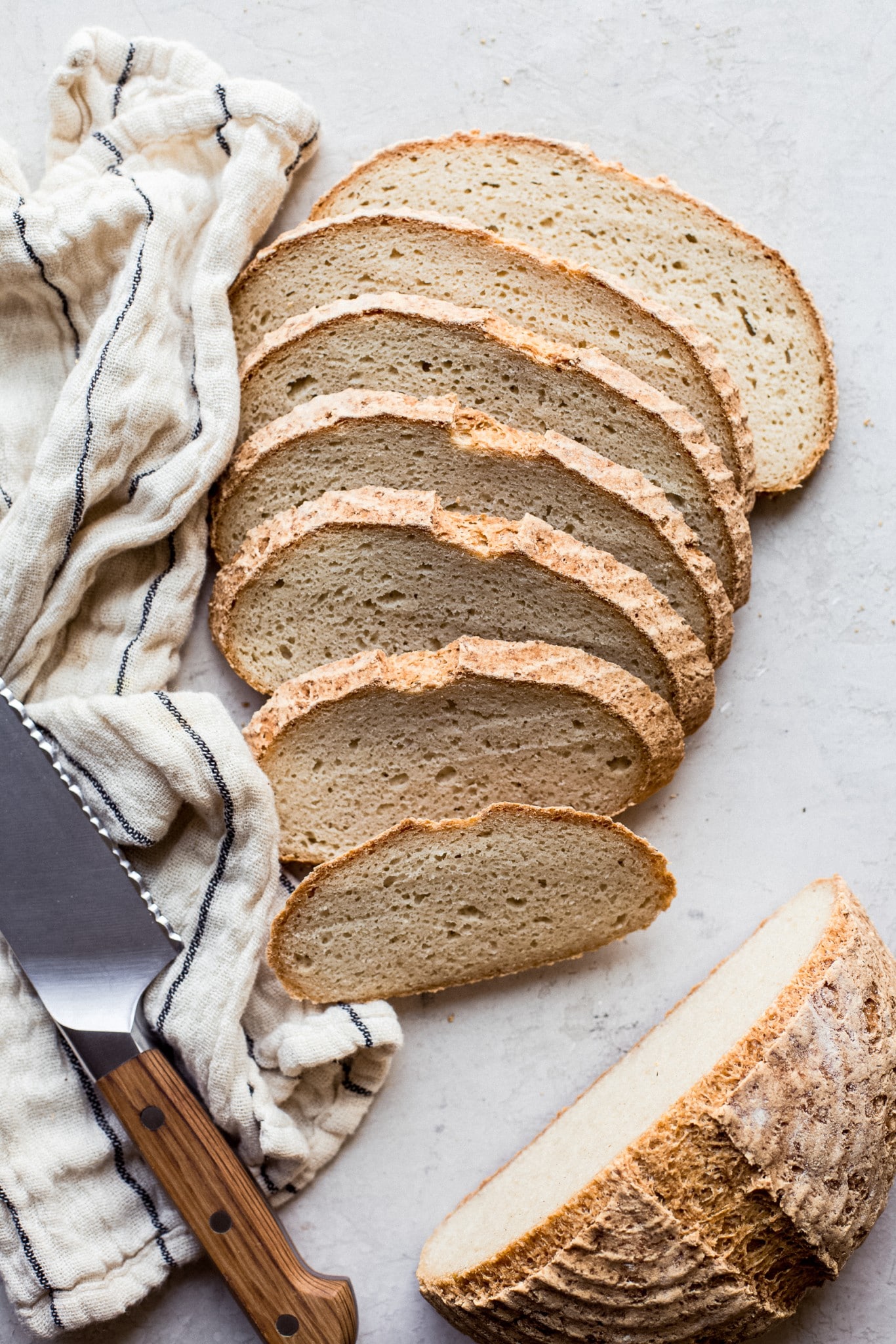
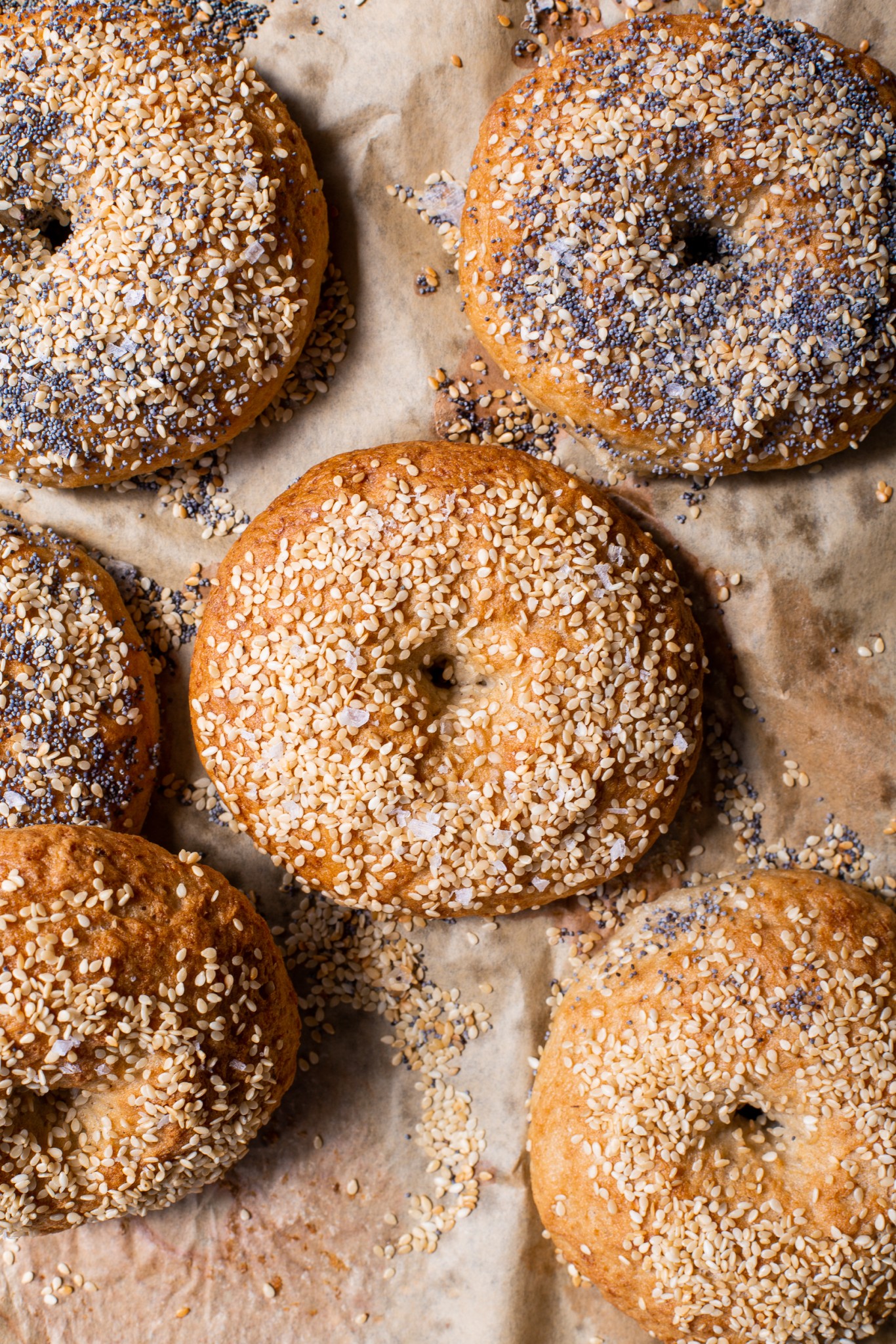
How can I use this gluten-free bread flour blend?
Use it in place of ALL the flour/starches in the following recipes:
Yeast recipes:
- Gluten-Free Bread
- The Best Gluten-Free Pizza Crust
- Easy Gluten-Free Focaccia
- Fluffy Gluten-Free Flatbread
- Gluten-Free Bagels
- Gluten-Free Cinnamon Raisin Bread
Sourdough recipes:
- Gluten-Free Sourdough Bread
- The Best Gluten-Free Sourdough Pizza Crust
- Gluten-Free Sourdough Focaccia
- Rosemary Garlic Gluten-Free Sourdough Rolls
- Gluten-Free Sourdough Bagels
To use gluten-free bread flour: add up the amount of all of the starches/flours called for in the recipe. Replace the entire amount with this gluten-free flour blend.
Flours for the Blend
Gluten-Free Bread Flour Blend
Ingredients
- 8 oz. (226g) potato starch
- 8 oz. (226g) tapioca flour, or arrowroot starch
- 18.5 oz. (524g) brown rice flour
- 18.5 oz. (524g) sorghum flour
Instructions
- Whisk all of the starches and flours together very throughly. Store in an airtight container. If you won’t use it quickly, store in the refrigerator or freezer for freshness.8 oz. (226g) potato starch, 8 oz. (226g) tapioca flour, 18.5 oz. (524g) brown rice flour, 18.5 oz. (524g) sorghum flour
To use gluten-free bread flour:
- Add up the amount of all of the starches/flours called for in any of my gluten-free bread recipes and replace the entire amount with this gluten-free flour blend.

You are so incredibly kind to share your knowledge so freely with us! I am so excited by your recipes. What would be your tweaks for gumminess to your GF sourdough recipe? I’ve tried 8 loaves, last 7 with different tweaks, and still have gumminess, yet wonderful flavor. Trusting I’ll get there. Thanks so much!
Hi Katherine, I recommend reducing water/increasing flour/skewing the starch:grain flour blend to be a little more grain flour heavy and/or adding some flax seed/chia seeds to help absorb any extra moisture. Also make sure you’re letting it cool completely before cutting into it!
Hi Rachel – what size container do you use for the 1x or 2x? I just assembled all the different flours required, now I need to buy a storage container for the mixture. Thanks!
Good afternoon – I wish to make this recipe – how big of container will I need to make 1x GF flour blend recipe?
I’m not sure how big my flour container is, but it makes a lot, so a pretty big one!! I use my biggest bowl to mix this up.
Hi there! If I were to add xanthan gum to this so as not to have to add it later how much should I add? Thank you
None of my recipes use xantham gum, so I wouldn’t recommend it – having too many binders will make your bread gummy.
Hi Rachel, I have just made my 2nd lot of sourdough bread. Unfortunately they are still gummy. I used the extra flour recommended. The outside crust is looking fantastic but the loaves have been in the oven for almost 4hrs now :( What am I doing wrong. Also can you substitute quinoa flour as I do not have access to that. I thought if I made sourdough rolls they would not be so dense so that might help with with the gumminess. Many thanks.
Hi Marg, 4 hours? That is way too long. Does your oven run at the correct temperature? And yes, quinoa flour can be subbed for another grain flour. Have you joined the Bakerita Sourdough Facebook Group? There are lots of discussions of how to fix gumminess based on a variety of issues. If you join and search “gummy” or “gumminess” you can read those discussions and get a ton of tips!
Love your recipes! What can I use in place of sorghum? Thank you!
Hi Stephanie, all my substitution recommendations are listed in the blog post above! I’ll paste it here for you though: “For the brown rice flour: if you’d like to make this a rice-free blend, feel free to substitute millet flour, teff flour, cassava flour, or buckwheat flour. Each of these act a bit differently and can change the flavor or color of the loaf. Millet is the most neutral and the best for a 1:1 substitution for the rice flour.
For the sorghum flour: substitute with any of the substitution options listed above for rice flour. You can also use brown or white rice flour.”
Do you know what a cup of this flour should weigh in grams?
Hi Diane, I don’t even measure with cups for bread, only grams, so I’ve never weighed out just one cup (especially because it can vary so widely).
I’d like to convert a recipe that’s in cups to grams, reason I’m asking. I agree weight is so much more accurate.
Hello,
I am looking for a gluten free recipe to make subway rolls. Do you think I could just use your basic gluten free bread recipe and just shape into like a hoagie roll shape?
Thank you!
Karen
Hi Karen, yes that should work just fine! You’ll just need to adjust the baking time – probably 25 to 30 minutes depending on how big they are.
For the xantham gum. I know it can be replaced by psyllium and it differs base on the recipe. But I may not be using your recipes all the time. Do you have a rule of thumb on how much psyllium to include in the blend?
Or how much xantham gum can I include in the blend?
Also, you have this labeled as bread flour. Can this be used for other baked goods such as cookies, brownies, and desert that are less bread-like?
I haven’t tested this with any recipes that aren’t bread recipes, so it may or may not work in sweet recipes. I would guess it would be a little dense for cakes but depending on the flours used it may work. As for xantham gum, I bake without any gums so unfortunately I don’t have helpful information for this!